
Probate Real Estate — Frequently Asked Questions
Las Vegas & Clark County
1. What is probate real estate?
Probate real estate refers to property that's part of a deceased person's estate and must go through the court-supervised probate process before it can be sold or transferred. The court oversees the sale to make sure the estate is settled properly and creditors are paid before heirs receive their inheritance.
2. How is buying a probate property different from a regular sale?
A few key differences: the seller is the estate (represented by an executor or administrator, not a typical homeowner), the court may need to approve the sale price, timelines are longer, and the property is typically sold as-is. In Nevada, the court confirmation process can add weeks to the closing timeline. (Ask Andy for current wait times)
3. Why would someone want to buy a probate property?
Probate properties are often priced slightly below market value because the estate needs to liquidate quickly, the heirs aren't emotionally attached to squeezing every dollar, and the property may need updating. For buyers willing to be patient with the process, there's real opportunity here.
4. What is an executor or administrator, and who am I actually dealing with?
The executor (named in the will) or administrator (appointed by the court when there's no will) is the person legally authorized to sell the property on behalf of the estate. They're your counterpart in the transaction — but they answer to the court and the heirs, not just their own judgment.
5. Does the court have to approve the sale?
In Nevada, it depends on whether the estate is administered under full or limited authority. Under full authority (“Independent Administration” NRS 143), the executor can often sell without court confirmation. Under limited authority (NRS 148), the court must approve the sale — and other potential buyers may be able to show up at the hearing and overbid. I'll tell you exactly which situation you're dealing with before you make an offer.
6. What is an overbid, and should I be worried about it?
At a court confirmation hearing, any member of the public can show up and submit a higher bid than the initial offer accepted by the Administrator. The overbid must exceed the accepted offer by $5000, and then it becomes an auction going up in $1000 increments. It's uncommon, but it happens — especially on well-priced properties. I'll help you weigh the risk and decide whether to bid aggressively upfront or stay flexible.
7. Are probate properties sold as-is?
Almost always. The executor typically can't make repairs, doesn't have personal knowledge of the property's history, and won't provide standard seller disclosures. You'll want a thorough inspection. What they can't tell you, the inspector can. With my probate listings, depending on the situation I usually pay for repairs to bring the house to a higher standard to solicit more desirable offers.
8. Can I get financing on a probate property?
Yes, but lenders need to be comfortable with the timeline. Court confirmation adds uncertainty around closing dates, and some lenders get nervous. I work with lenders experienced in probate transactions who won't pull their commitment because closing slipped a few weeks. As an overbidder, it is difficult to arrange financing during the abbreviated timeline between the court hearing and close of escrow.
9. How long does a probate sale take?
Longer than a standard sale. If court confirmation is required, add 4-6 weeks past the Buyer’s contingency deadlines. Total timeline from accepted offer to close can run 4-9 weeks depending on the court calendar and how organized the estate is. Plan accordingly — and don't put in your notice on your apartment before you have a confirmed close date.
10. What should I know if I'm an heir trying to sell a probate property?
A few things: you can't just list it the day someone passes. An executor or administrator has to be formally appointed first. The estate may have debts that reduce what heirs ultimately receive. And if multiple heirs are involved, everyone needs to be on the same page — disputes between heirs are one of the biggest causes of probate delays. I can help you move efficiently once the legal groundwork is in place.
11. As an heir or family member, what do I do about personal property, utility and other bills?
While many real estate agents simply want to list the house for sale once you clean it out, I take a more hands-on approach. For me, there are 4 steps to the process. 1. Identify items like military records, family heirlooms, and sentimental items that the family or heirs want to keep (if possible, depending on the estate situation). 2. Arrange for an estate sale, consignment sale and/or private sale for higher value items like vehicles, jewelry, and firearms. 3. From what remains, coordinate with local charities to accept donations from the estate. 4. Remove all leftovers and prepare the house to sell. To further relieve stress from the Administrators, I typically pay all utility bills through the close of escrow of the property.
12. Do I need a real estate agent who specializes in probate?
You don't legally need one, but you should want one. Probate sales have their own court procedures, disclosure rules, and negotiation dynamics. Our local contract templates do not cover probate scenarios. An agent who doesn't know probate will learn on your transaction — and that's not the education you want to fund. I've handled probate sales throughout Clark County and know how to navigate them without drama.
13. How do I get started?
Call or text me directly. Whether you're a buyer looking for your first probate deal or an heir trying to figure out what to do with a property, I'll happily tell you straight what you're working with.
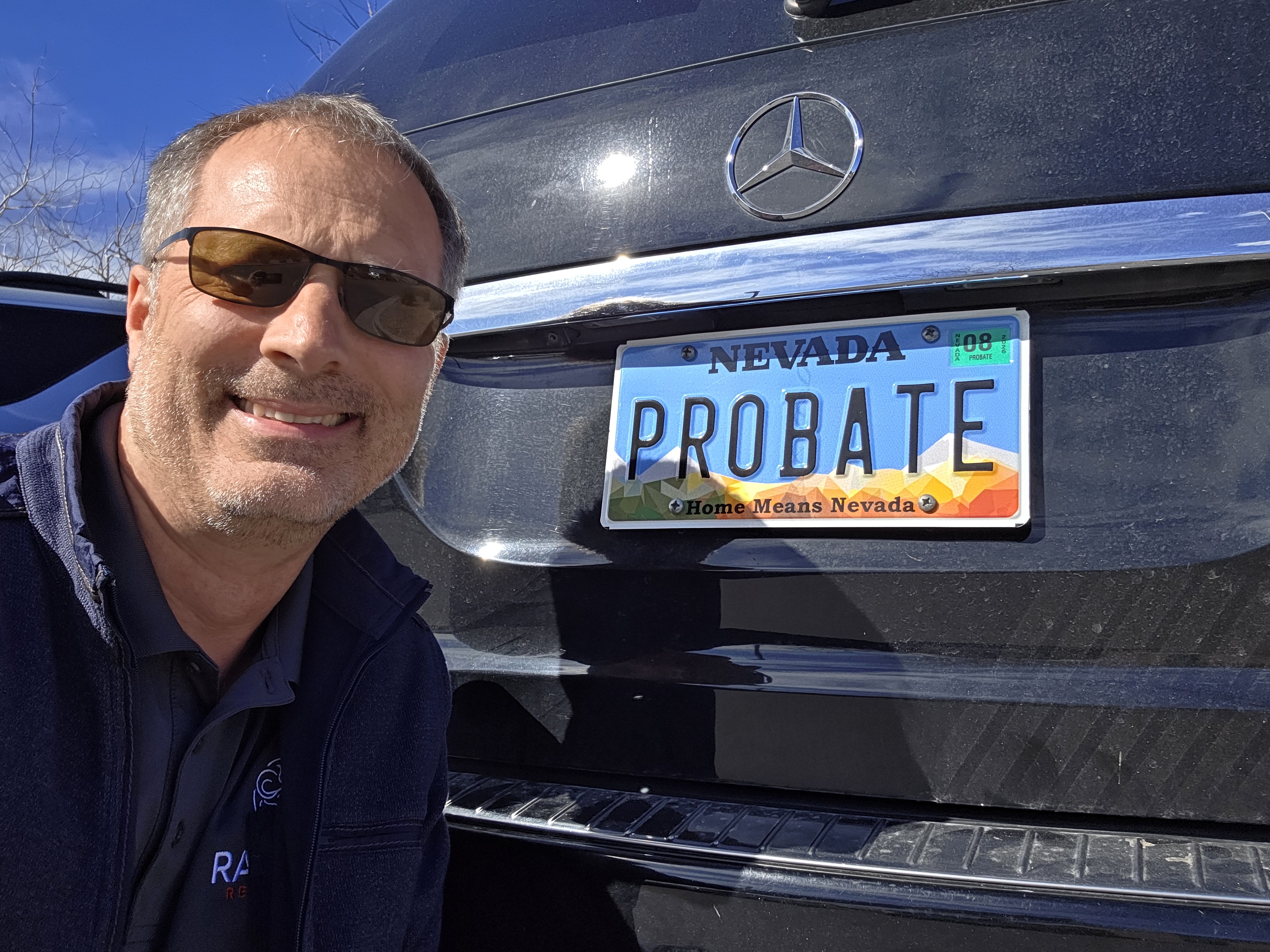
Andy Stahl
Have questions about buying or selling probate real estate in Las Vegas or Clark County? I'm happy to help guide you through every step of the process.